A place in the story
Aburi Botanical Gardens
A hill-country garden above Accra where old trees, cooler air and patient walking make the landscape part of the story.
Narration available · 2 min
Listen to the story
Aburi Botanical Gardens, narrated.
Read transcript
A hill-country garden above Accra where old trees, cooler air and patient walking make the landscape part of the story.
A cooler side of the city. The road to Aburi climbs away from Accra's heat and traffic. Suddenly the air feels different, the hills open up and mature trees begin to do the talking. The botanical gardens are often described as a calm day trip, but their deeper value is educational. Plants are not decoration here. They show how climate, cultivation and colonial-era institutions shaped the Akuapem hills and the movement of people between coast and interior.
A garden is an archive. Walk slowly and the garden becomes a collection of living records. Tree species, paths, lawns and planted sections reveal choices about what should be studied, displayed or protected. The place also sits within communities with their own histories, farms and relationships to the hills. That means the garden should not be read as an isolated colonial remnant. It is one layer in a landscape where botanical knowledge and local knowledge meet, sometimes comfortably and sometimes uneasily.
A small pause with a bigger question. Aburi is useful because it changes the pace of a Ghana itinerary. Come for the shade, but stay curious about the plants and the people who care for the grounds. Respect any access instructions, avoid damaging trees and remember that a quiet visit still takes place inside a working region. The gardens connect travel to questions about conservation, urban escape and who gets to define a useful landscape. Sometimes the most memorable stop is the one that lets you notice what the busy route hides. Read this place alongside the people who maintain it. A landmark becomes useful when it changes what you notice next: the road into a town, the work around a museum, the river beyond a view, or the memory a guide chooses to explain.
Aburi shows how a garden can hold botanical knowledge, hill-country climate and the changing relationship between Accra and its hinterland.
A cooler side of the city
The road to Aburi climbs away from Accra's heat and traffic. Suddenly the air feels different, the hills open up and mature trees begin to do the talking. The botanical gardens are often described as a calm day trip, but their deeper value is educational. Plants are not decoration here. They show how climate, cultivation and colonial-era institutions shaped the Akuapem hills and the movement of people between coast and interior.
A garden is an archive
Walk slowly and the garden becomes a collection of living records. Tree species, paths, lawns and planted sections reveal choices about what should be studied, displayed or protected. The place also sits within communities with their own histories, farms and relationships to the hills. That means the garden should not be read as an isolated colonial remnant. It is one layer in a landscape where botanical knowledge and local knowledge meet, sometimes comfortably and sometimes uneasily.
A small pause with a bigger question
Aburi is useful because it changes the pace of a Ghana itinerary. Come for the shade, but stay curious about the plants and the people who care for the grounds. Respect any access instructions, avoid damaging trees and remember that a quiet visit still takes place inside a working region. The gardens connect travel to questions about conservation, urban escape and who gets to define a useful landscape. Sometimes the most memorable stop is the one that lets you notice what the busy route hides. Read this place alongside the people who maintain it. A landmark becomes useful when it changes what you notice next: the road into a town, the work around a museum, the river beyond a view, or the memory a guide chooses to explain.
Why this place matters
Aburi shows how a garden can hold botanical knowledge, hill-country climate and the changing relationship between Accra and its hinterland.
Visiting with care: It is a slow visit rather than a packed attraction. Wear comfortable shoes and expect busier grounds on weekends.
Where this is today
Aburi Botanical Gardens
Eastern Region · Exact surviving site
Open modern mapSources
Read the references behind this story.
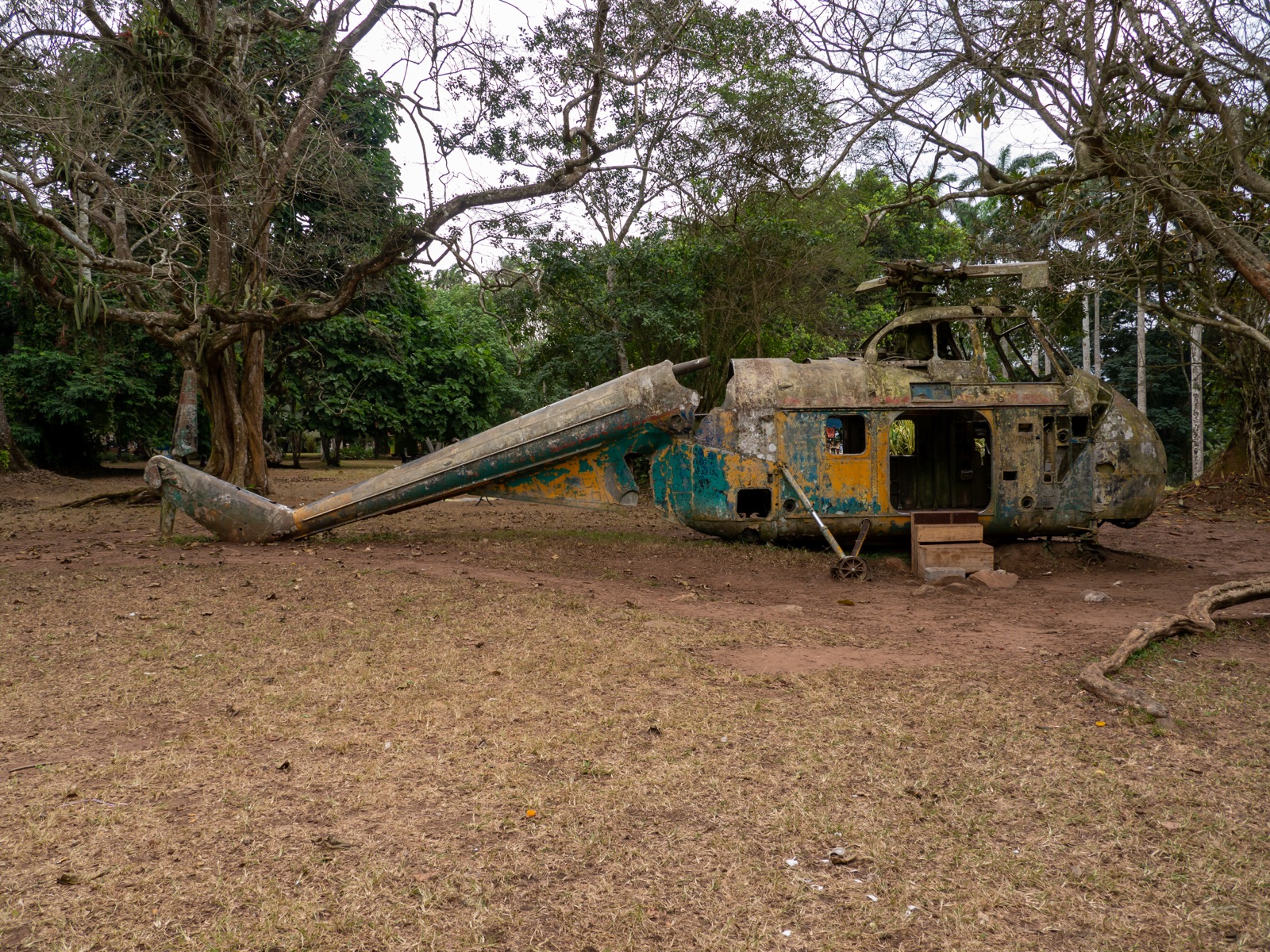
Image credit: Matti Blume via Wikimedia Commons · Image source
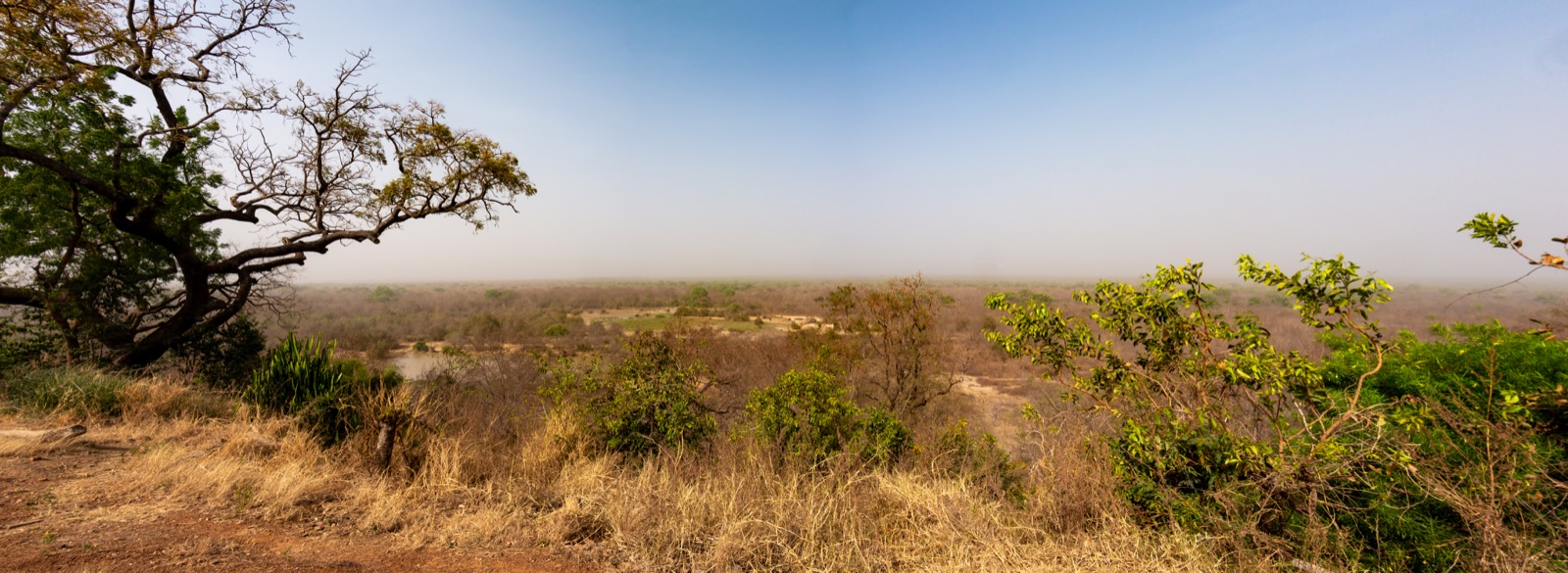 Continue to Mole National ParkMole National ParkGhana's best-known savanna park, where elephants, grassland and guided encounters make the north feel close and vast.