A place in the story
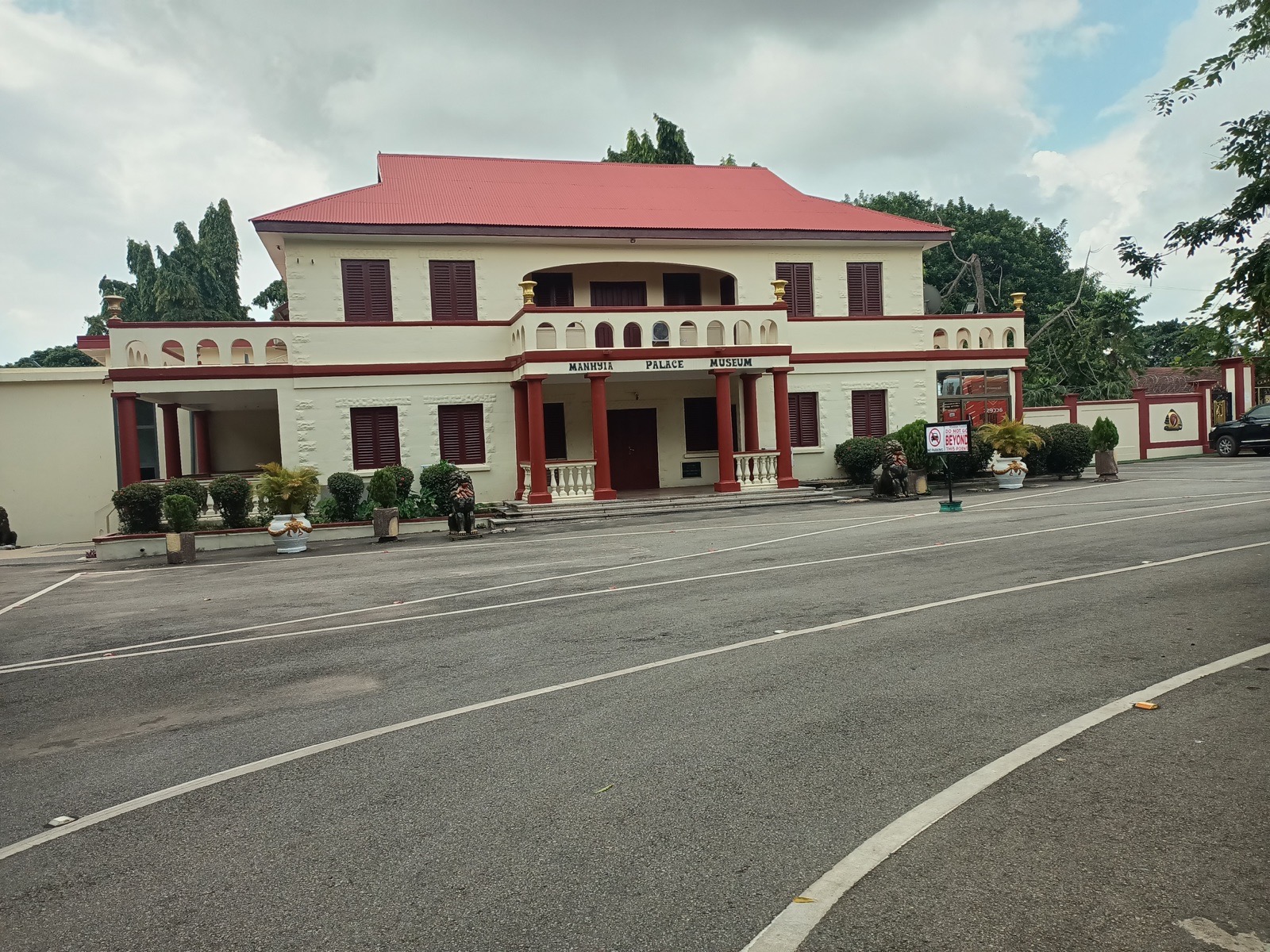
Manhyia Palace Museum
A Kumasi museum that introduces Asante leadership, regalia, memory and the work of cultural governance.
Narration available · 2 min
Listen to the story
Manhyia Palace Museum, narrated.
Read transcript
A Kumasi museum that introduces Asante leadership, regalia, memory and the work of cultural governance.
Kumasi and Asante. The story of Asante cannot be reduced to one palace or one city. Kumasi was the political centre of a changing union whose authority extended across a broad region through constituent states, councils, offices and relationships. Manhyia Palace Museum gives visitors a present-day place from which to approach that history. Its exhibits and grounds connect royal leadership to the institutions and people who made Asante more than a court.
Objects that govern. Regalia, stools, weapons, photographs and other objects can look decorative when removed from their setting. In Asante political life, material objects helped express office, continuity, obligation and authority. A museum makes these things available for close attention, but it also asks visitors to learn the meanings attached to them. The palace story therefore moves between objects and institutions. Who could speak, who could decide, who carried responsibility and how was legitimacy remembered?
A living institution. Manhyia is best understood as a living cultural and political context, not a frozen version of the past. The Asantehene's institution continues to carry ceremonial and cultural significance, even as Ghana's constitutional government operates through modern state structures. The museum allows the two layers to be seen together. A visit can teach how traditional authority, public memory and national citizenship coexist without pretending that a historical kingdom maps neatly onto today's Ashanti Region. The point is not to choose between old and new. It is to see how authority is carried, interpreted and negotiated in the present. That makes the museum relevant to both history and civic life today.
Manhyia helps visitors understand Asante political traditions through the material culture and institutions that carried them.
Kumasi and Asante
The story of Asante cannot be reduced to one palace or one city. Kumasi was the political centre of a changing union whose authority extended across a broad region through constituent states, councils, offices and relationships. Manhyia Palace Museum gives visitors a present-day place from which to approach that history. Its exhibits and grounds connect royal leadership to the institutions and people who made Asante more than a court.
Objects that govern
Regalia, stools, weapons, photographs and other objects can look decorative when removed from their setting. In Asante political life, material objects helped express office, continuity, obligation and authority. A museum makes these things available for close attention, but it also asks visitors to learn the meanings attached to them. The palace story therefore moves between objects and institutions. Who could speak, who could decide, who carried responsibility and how was legitimacy remembered?
A living institution
Manhyia is best understood as a living cultural and political context, not a frozen version of the past. The Asantehene's institution continues to carry ceremonial and cultural significance, even as Ghana's constitutional government operates through modern state structures. The museum allows the two layers to be seen together. A visit can teach how traditional authority, public memory and national citizenship coexist without pretending that a historical kingdom maps neatly onto today's Ashanti Region. The point is not to choose between old and new. It is to see how authority is carried, interpreted and negotiated in the present. That makes the museum relevant to both history and civic life today.
Why this place matters
Manhyia helps visitors understand Asante political traditions through the material culture and institutions that carried them.
Visiting with care: Follow museum instructions around restricted areas and photography, and allow time for both grounds and displays.
Where this is today
Manhyia Palace Museum
Ashanti Region · Exact surviving site
Open modern mapSources
Read the references behind this story.
Image credit: Sir Amugi via Wikimedia Commons · Image source
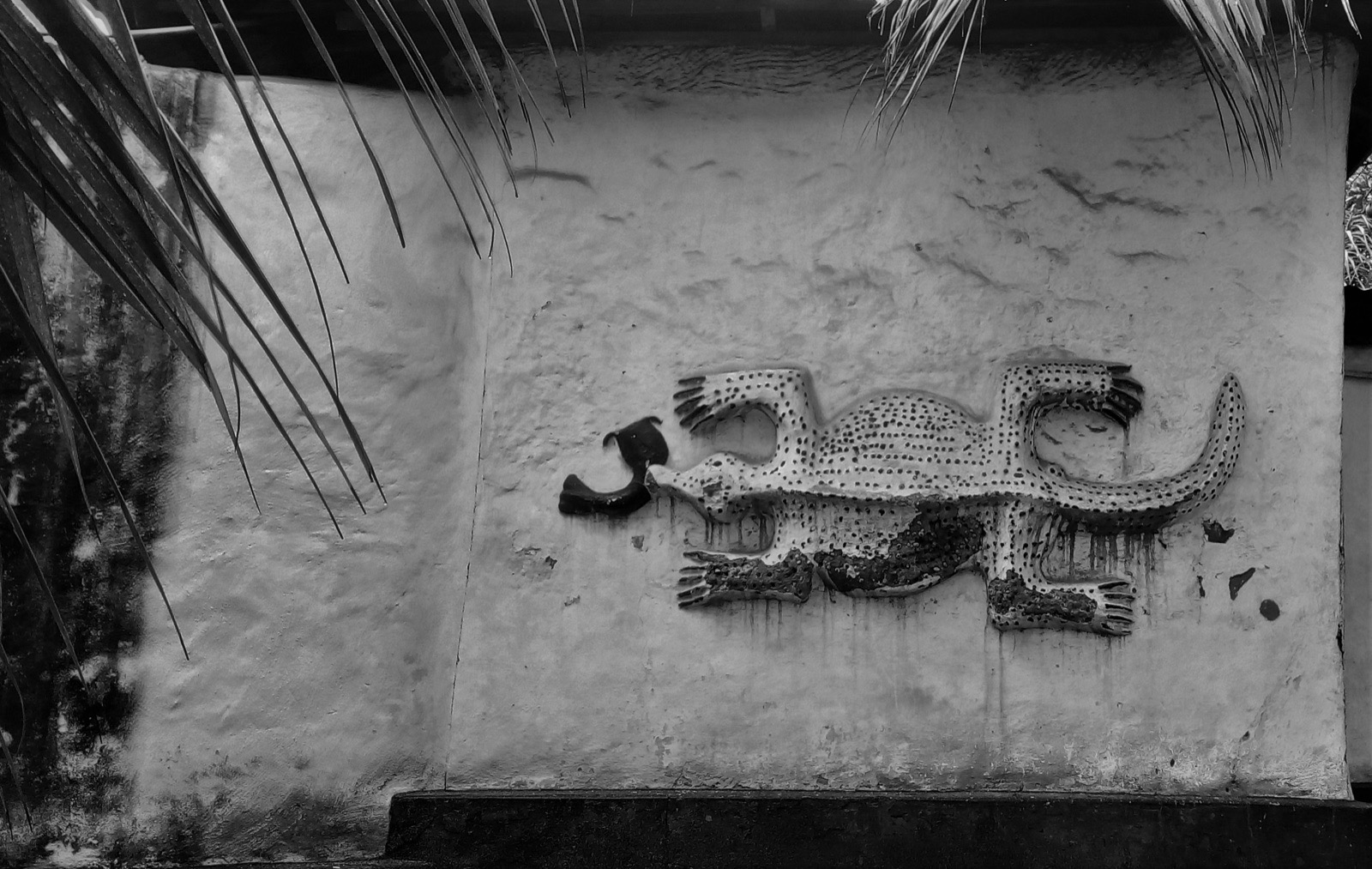 Continue to Asante Traditional BuildingsAsante Traditional BuildingsA serial heritage property of shrines and traditional structures that preserves Asante architecture and sacred design.